How to Photograph Lions: Behavior and Ethical Fieldcraft
This article is part of my How to Photograph Wildlife series. Like the others, it’s focused on fieldcraft and how cultivating a deeper understanding of behavior can benefit wildlife photographers. With lions in particular, strong photographs come from patience, positioning, and an understanding of how lions behave and move through their environment.
Lions are often portrayed as creatures of action, defined by explosive hunts and dramatic encounters. In reality, and as anyone with housecats can attest, they spend most of their lives resting. That can feel counterintuitive for photographers especially in places like the Serengeti.
But understanding lion behavior allows you to recognize subtle shifts before they unfold, and to know when to stay at a sighting and when to move on. Clues might be a change in posture, a lift of the head, or the way a pride reorients as light fades. That awareness can transform your approach to photographing these animals and allow you to anticipate and plan for more compelling images.
Global Lion Distribution and Context
Today, lions occupy only a fraction of their historical range. Once widespread across Africa, the Middle East, and parts of Asia, wild lions are now found primarily in sub-Saharan Africa, with a small, isolated population of Asiatic lions remaining in India’s Gir Forest. Lion numbers are estimated in the tens of thousands globally, with East Africa supporting some of the most significant remaining populations.
Tanzania’s Serengeti National Park is one of the world’s most important ecosystems for lions. Its scale, prey base, and relative ecological integrity allow prides to function in ways that closely resemble their natural dynamics. For photographers, this context matters. Observing lions here offers insight not just into individual behavior, but into how lions live as a species when habitat, structure, and prey still support the full expression of their social lives.
Lions Are Social Predators
Lions are the only truly social big cats. In East Africa, they live in prides made up primarily of related females and their offspring, along with one or more adult males who defend territory and breeding rights. This social structure shapes nearly every behavior you observe, from hunting and feeding to resting and movement.
From a photographic perspective, pride dynamics matter. A lone lion can make a powerful portrait, but images that include interaction often carry greater narrative weight. Head nuzzling between females, cubs playing and climbing over adults, or subtle dominance displays all tell a deeper story about these animals.
Any time a member of the pride rejoins the group, it’s a cue to be camera-ready. Returning lions are often greeted with soft head nuzzles, while younger animals spring up to join the exchange. These brief interactions are rich with movement and emotion, offering a window into the social bonds that hold a pride together.
When a pride is relaxed, bodies are often sprawled together, limbs overlapping, eyes half closed. These moments can feel uneventful, but they still offer opportunities for strong compositions that communicate cohesion, hierarchy, and familiarity. Staying engaged during these quieter periods often leads to more rewarding images than expected.
Understanding Lions’ Daily Lives for Better Photographs
Lions are crepuscular, meaning they’re generally most active at dawn and dusk. They do hunt at night and may move during the day in cooler conditions, but mornings and evenings are when activity tends to peak.
In the early morning, you may find a pride finishing a meal or recovering after a nighttime hunt. This is also when we often see the most purposeful movement, especially along roads, riverbeds, or as lions climb up kopjes (rock outcroppings that dot the savanna). This is when head-on walking shots are most likely.
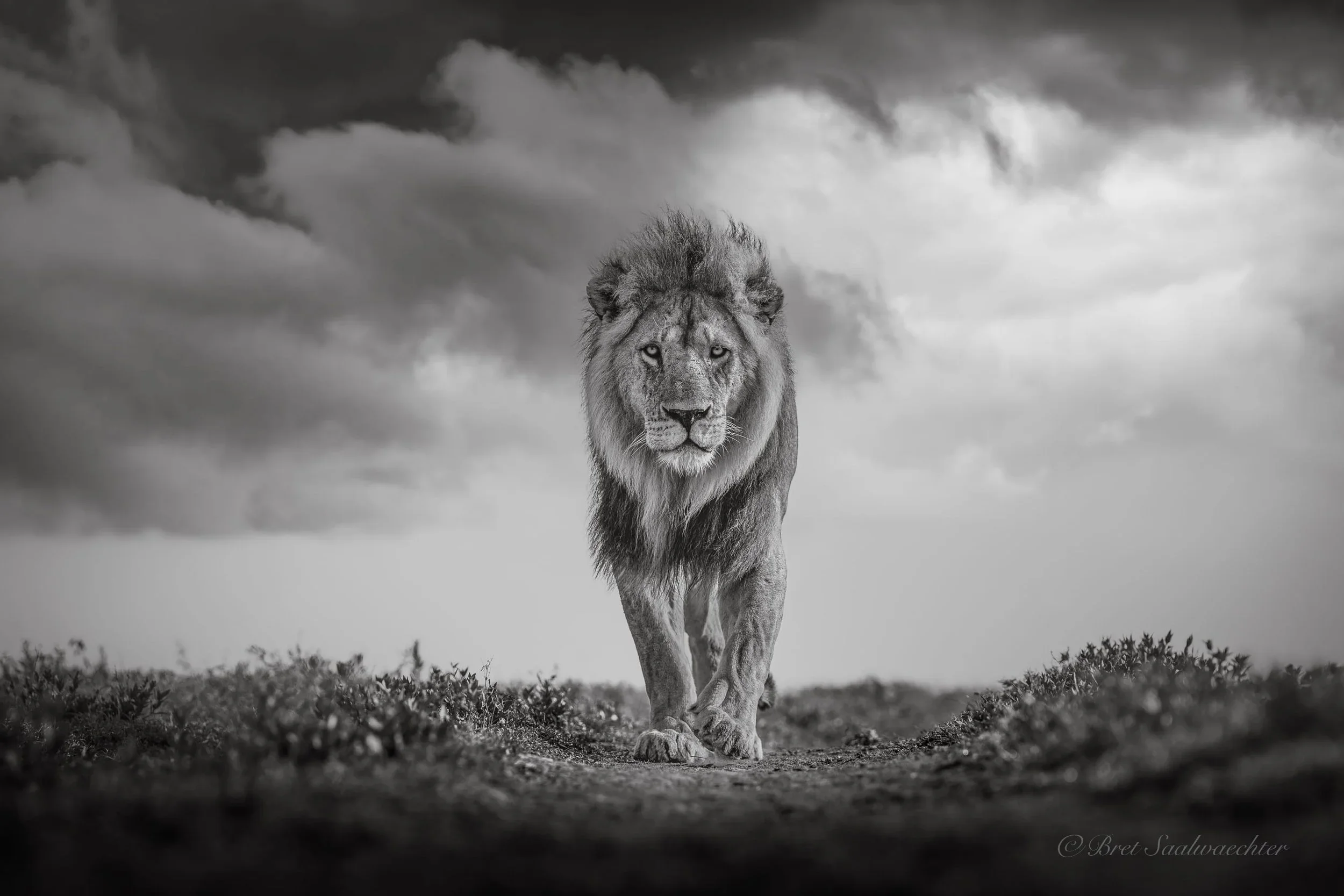
For head-on shots, a low shooting angle increases the sense of presence and makes it easier to include low clouds in the background. When a lion approaches a road, it will often use it like a natural game trail. We typically move the vehicle well ahead, position to one side, and switch off the engine.
I’ll usually place the camera low to the ground in advance using a monopod attached to the lens foot and a remote shutter release. Staying completely still helps the vehicle read as a single, nonthreatening object, allowing the lion to pass by on the open side of the road. Once the moment has passed, it’s important to give the animal space and let it continue on its way.
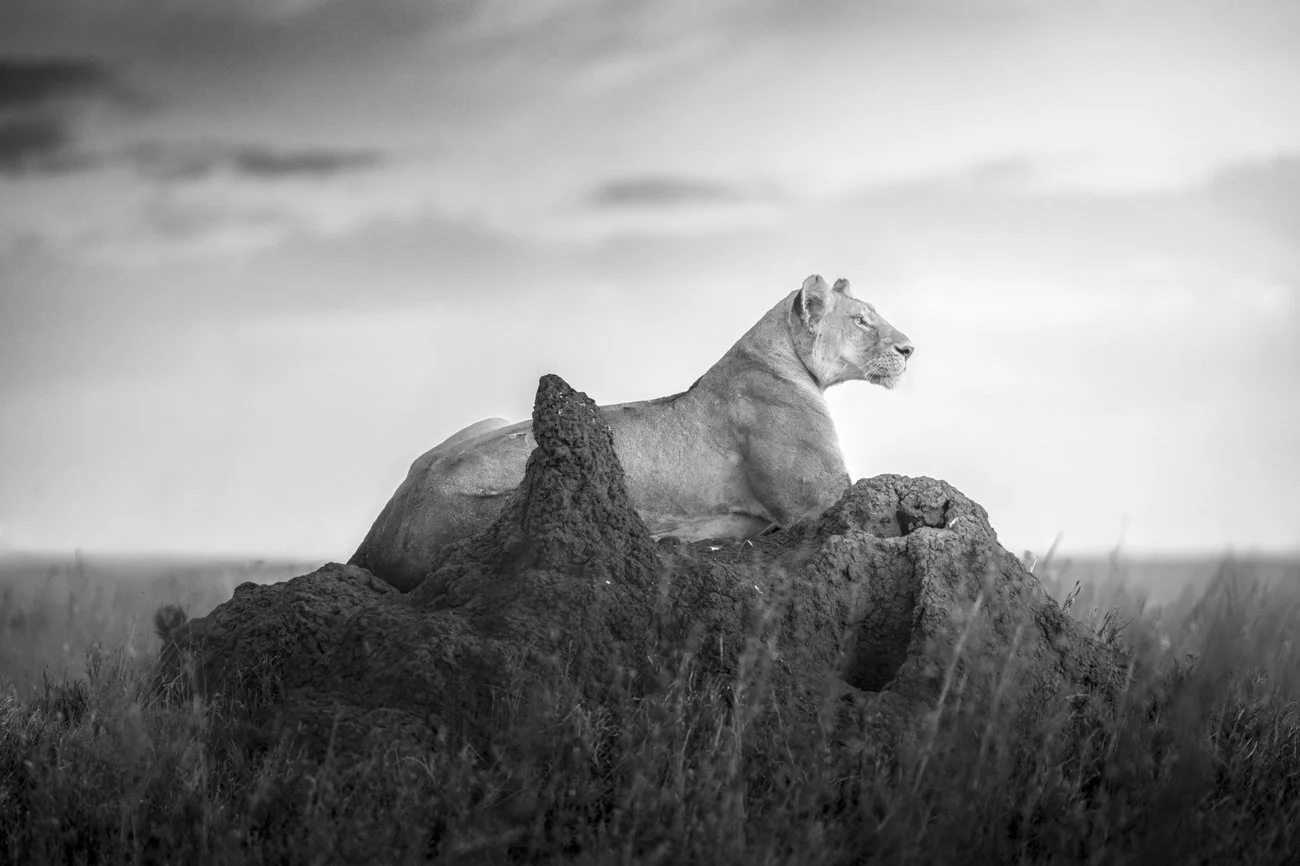
As the morning progresses and temperatures rise, lions begin to slow down. You’ll often see them walk in a straight line across the plains, occasionally stopping atop termite mounds to decide where to go next. Sometimes this involves scanning the surroundings for potential prey. Just as often, it’s about finding a suitable place for a mid day nap.
Lions sleep or rest for 15 to 20 hours each day. Once they settle into a resting spot in the late morning, usually in the shade of a tree or thick brush, they tend to stay there for several hours, often hidden in tall grass. At this point, it’s usually best to check back later in the afternoon when activity begins to build again.
Late afternoon brings fresh opportunities and, for photographers, a quiet race between renewed lion activity and fading light. We often try to locate a pride early or return to one we observed earlier in the day, positioning the vehicle before the lions fully wake up. This gives the animals time to settle into your presence and gives you time to think through potential shots.
Lions often signal that they’re waking up by rolling over, stretching, or shifting position. They may sit up several times, creating a series of false starts before fully committing to movement. Cubs are usually the first to stir, quietly playing and climbing over resting adults. This activity often nudges the adults awake, even if only to move a short distance away from their energetic offspring. As the light fades, opportunities open up for more creative images, especially silhouettes that emphasize a lion’s distinctive shape against the setting sun.
Once you become familiar with the daily rhythm of lion families, you’ll start to anticipate these moments. That awareness allows you to prepare both yourself and your camera to capture images that reflect how they live in their environment.
Hunting Behavior and Anticipation
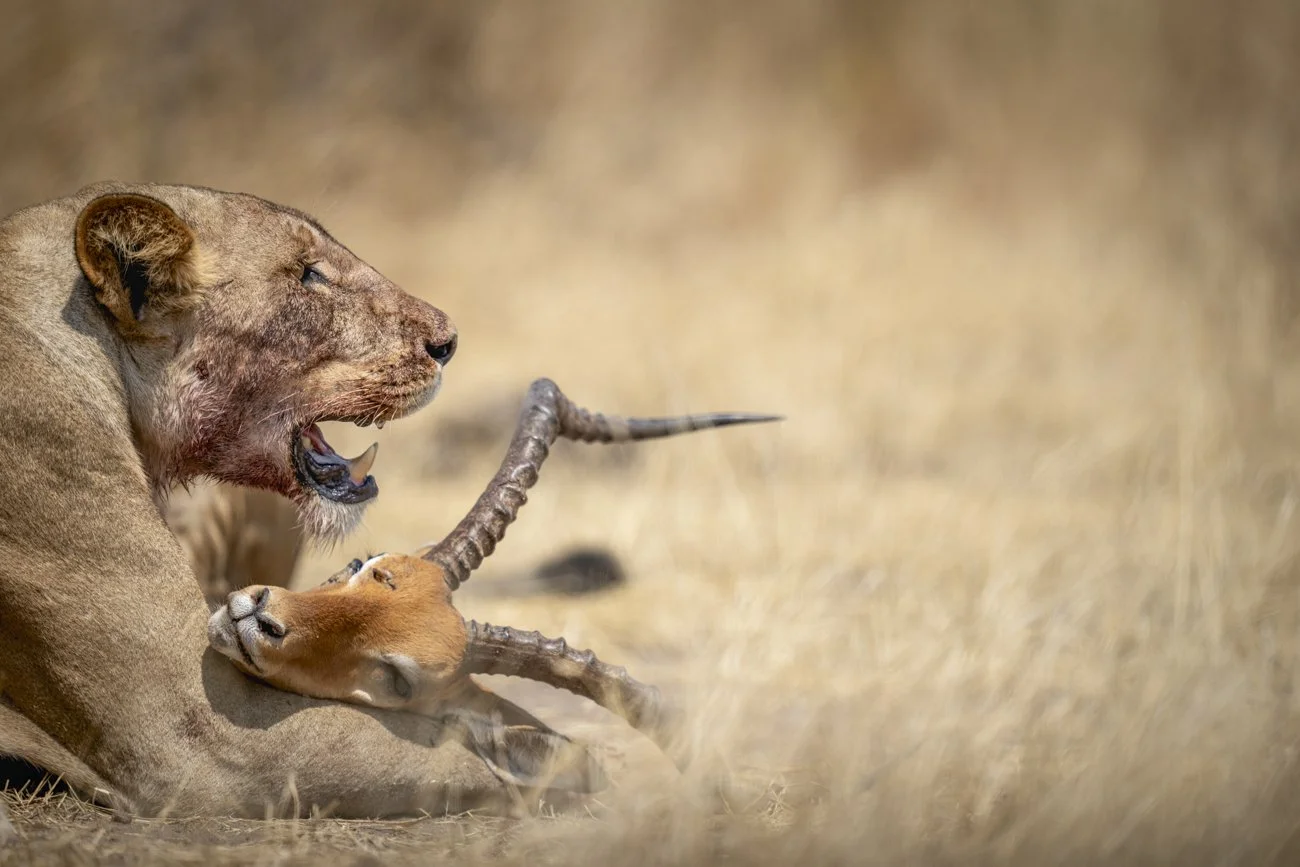
Hunting is one of the most sought-after lion behaviors to photograph, and one of the least predictable. Successful hunts are rare, and preparation often unfolds slowly. Long before movement becomes obvious, lions assess wind direction, terrain, spacing, and opportunity.
As a hunt approaches, posture changes. Bodies lower, movements become deliberate, and focus shifts outward. Eye contact between pride members increases, and alignment becomes more purposeful. This is the moment to be prepared for a sudden sprint, with shutter speed and ISO already dialed in at a higher setting. Increasing your f-stop a bit (if already shooting wide open) is also important to make sure that both predator and prey are appropriately in focus.
For photographers, restraint is vital. Crowding or constant repositioning alerts prey to lions’ presence, disrupts behavior, and takes away a life or death opportunity for these animals. The tension leading up to a hunt - the silent coordination, the stop-go preparation before movement - creates images that are often just as compelling as the chase itself.
Lion Cubs Embody Energy, Learning, and Protection
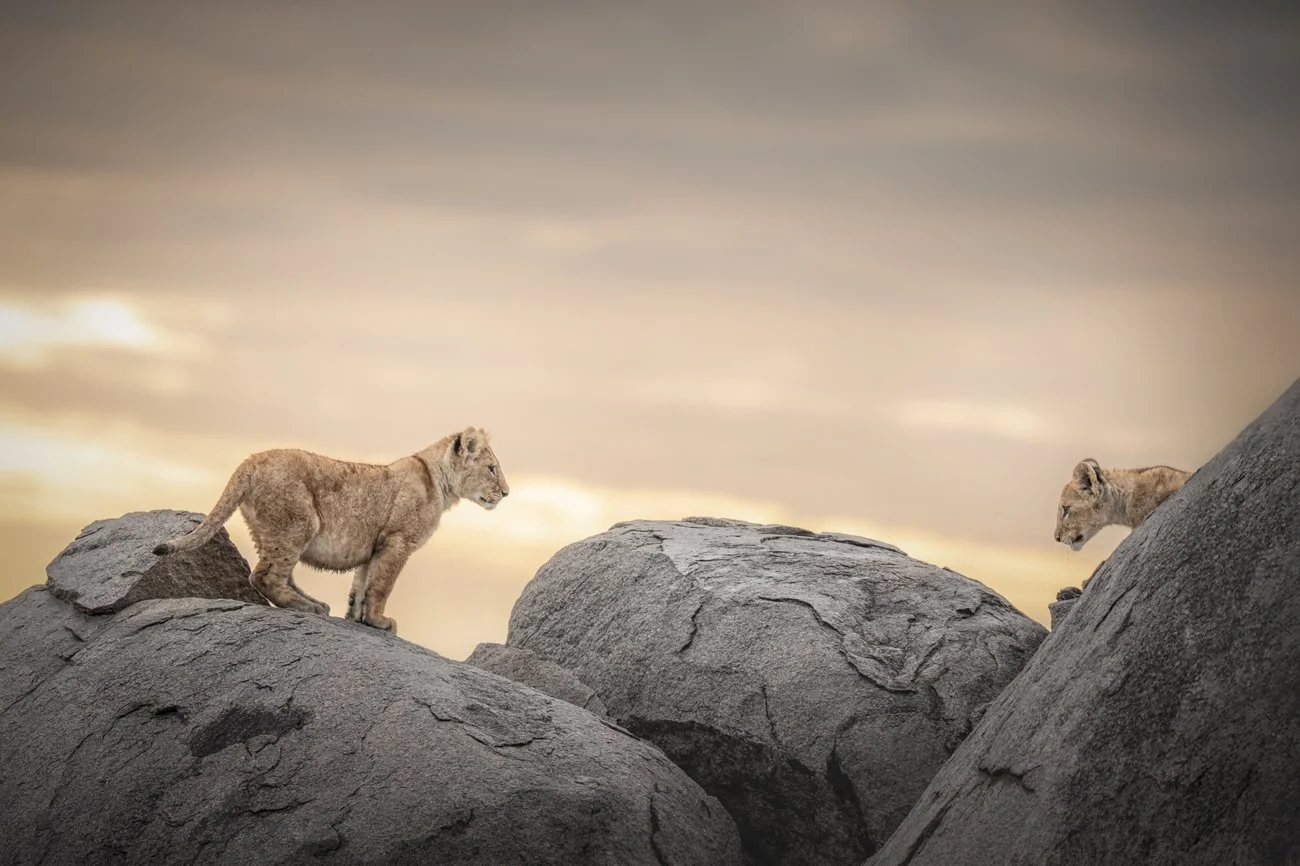
Lion cubs introduce a very different energy. Their movements are playful, clumsy, and persistent. They wrestle, pounce, and explore constantly, often in full view of resting adults.
From a behavioral standpoint, cub activity is structured. Play is learning, developing coordination, strength, and social awareness. Adults monitor closely, intervening or repositioning when play strays too far.
Photographically, cubs offer moments of humor and tenderness, but the strongest images often place them in context. Including adults reinforces themes of protection, teaching, and belonging and reminds viewers that cubs are never truly independent.
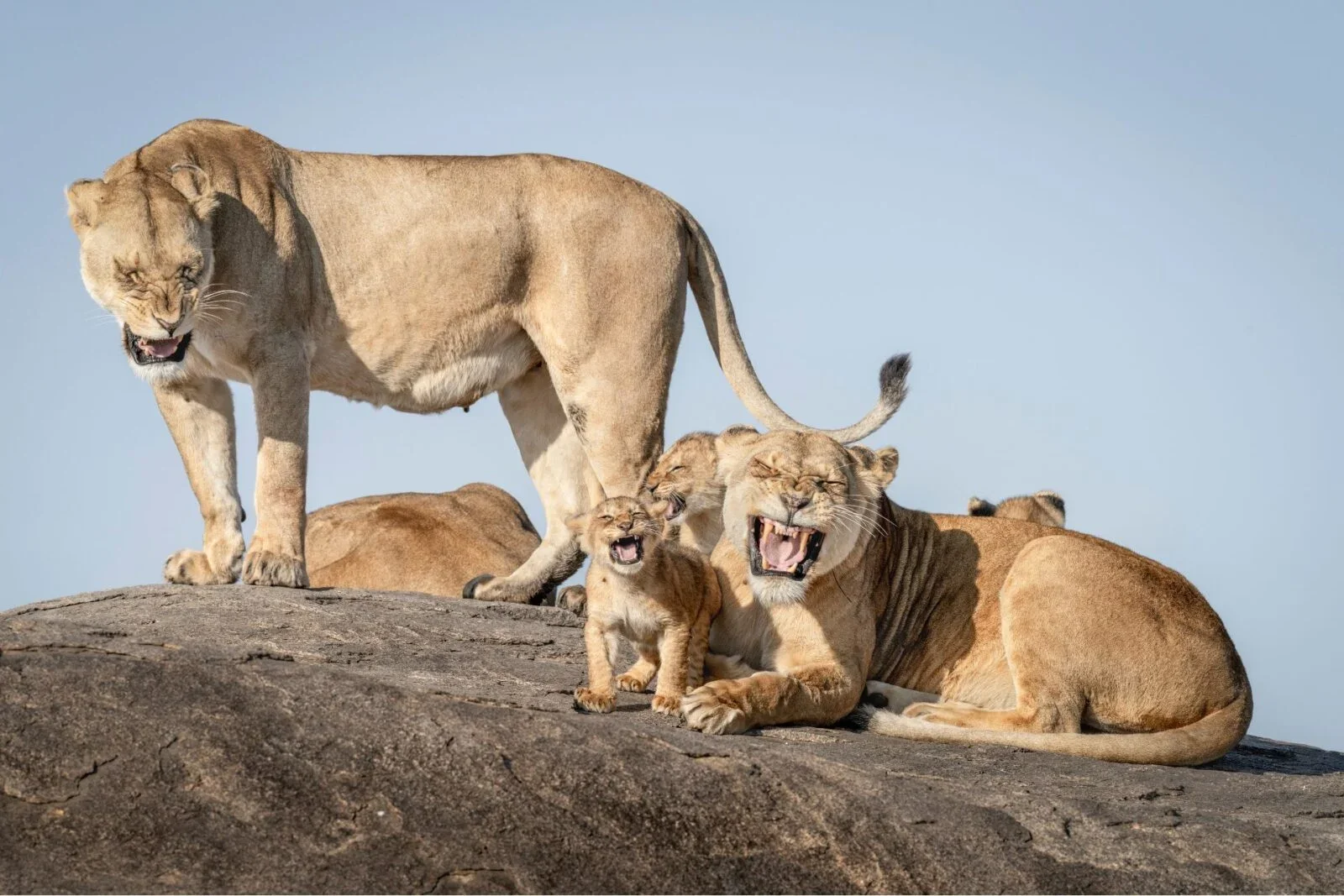
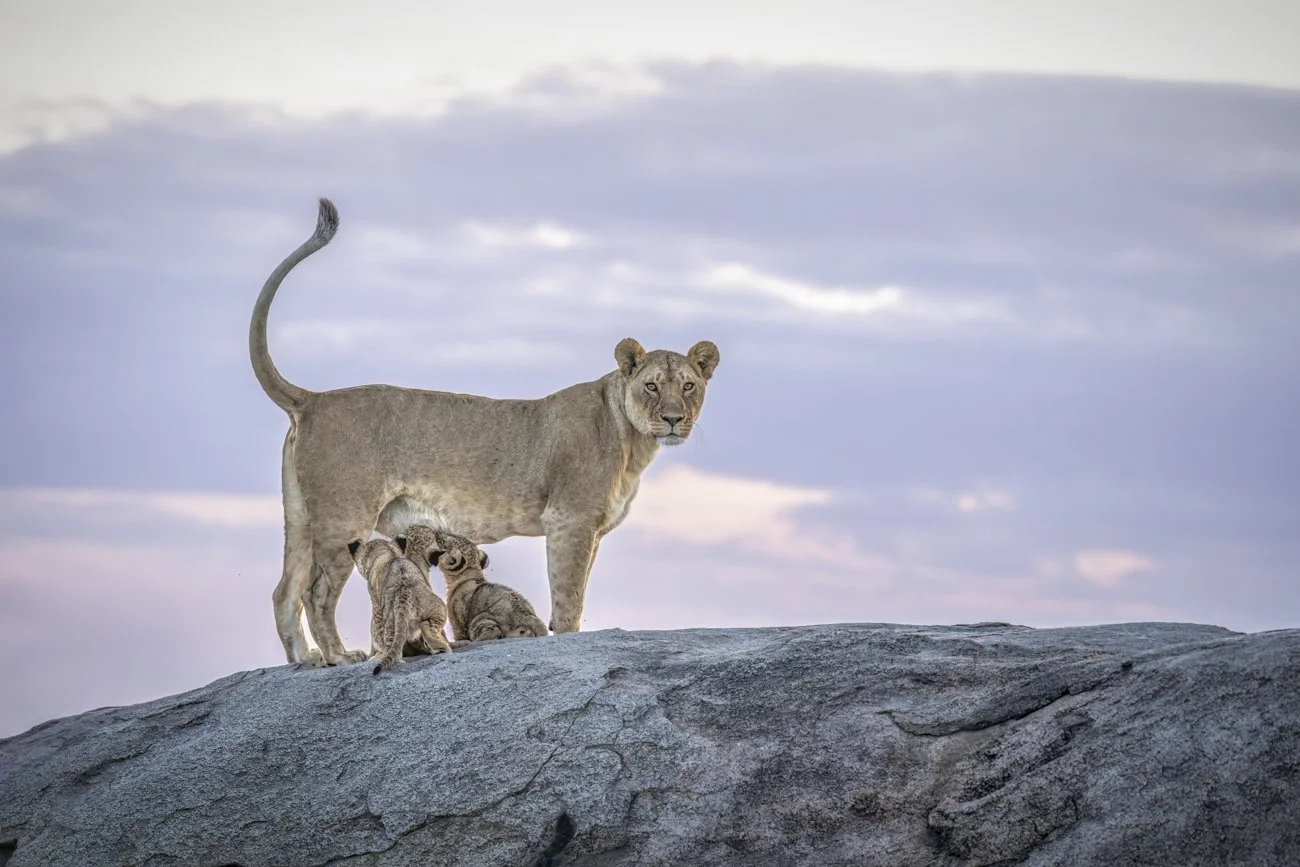
One of my favorite examples from last year came from watching nursing cubs pester adult lionesses for milk, often pushing their luck. During the height of the dry season, patience across the pride was already thin, and the adults would occasionally snap, prompting loud protests from the cubs.
We waited as the mothers moved toward a nearby kopje to escape the attention, with the cubs instinctively following. When the interaction repeated itself against the open sky and from a lower perspective, I was able to time the frame for the moment when everything erupted at once, giving the resulting image a humorous take.
Male Lions and Coalition Dynamics
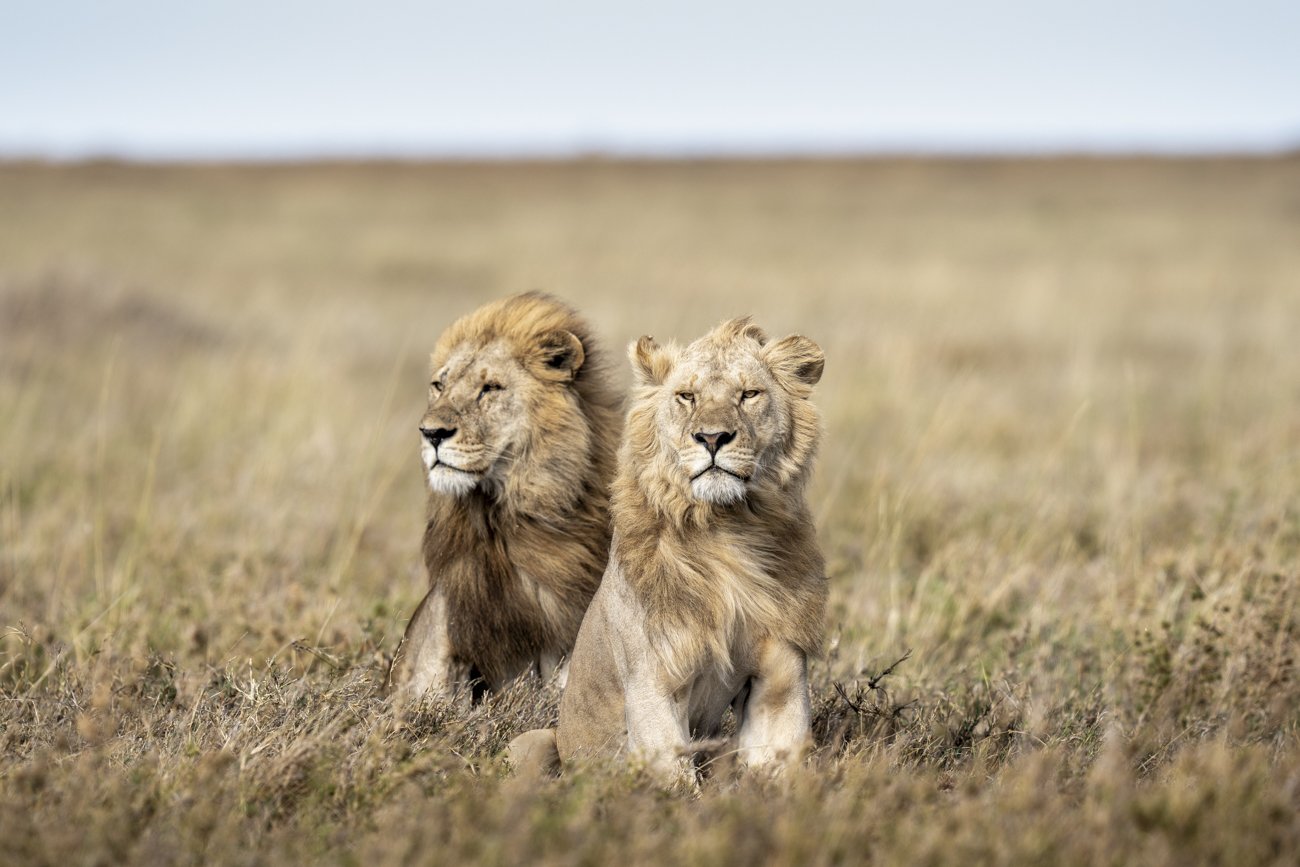
Adult male lions command attention through size, mane, and posture, but their behavior reflects a balance of power and vulnerability. Males typically form coalitions, often brothers or long-term allies that work together to hold territory and access prides.
These coalitions shape movement, resting patterns, and responses to rivals. Tensions with outsiders may surface through prolonged staring, parallel walking, or sudden vocalizations rather than outright aggression. More often, you’ll encounter individuals that have spent most of their adult lives together. Waiting with these groups over longer periods of time usually reveals moments of tenderness and companionship.
When photographing male lions, look for scenes that communicate authority and stature rather than conflict. Side light revealing scars, mane movement in wind, or a steady gaze across open ground often tells a more enduring story.
Knowing When to Give Space
Lions are generally tolerant of vehicles, but that tolerance has limits. Prolonged staring, repeated head lifts, tail lashing, or direct, purposeful movement toward you are signals to give greater room.
Ethical fieldcraft means creating space before tension emerges. Doing so protects both you and the animals and preserves the authenticity of the behavior you’re observing. The goal is never to provoke a response. The strongest lion photographs come from patience, predictability, and respect.
Lions and Their Environment
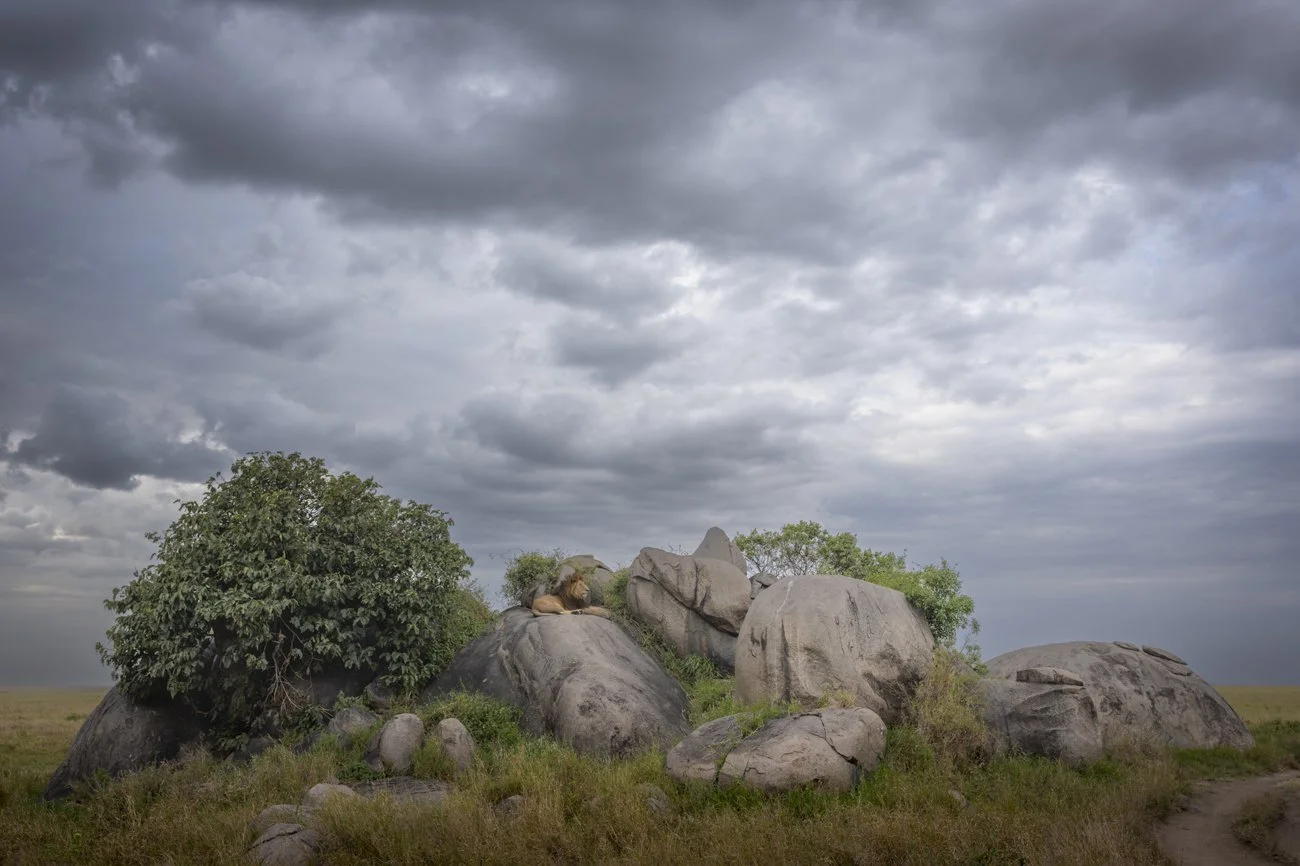
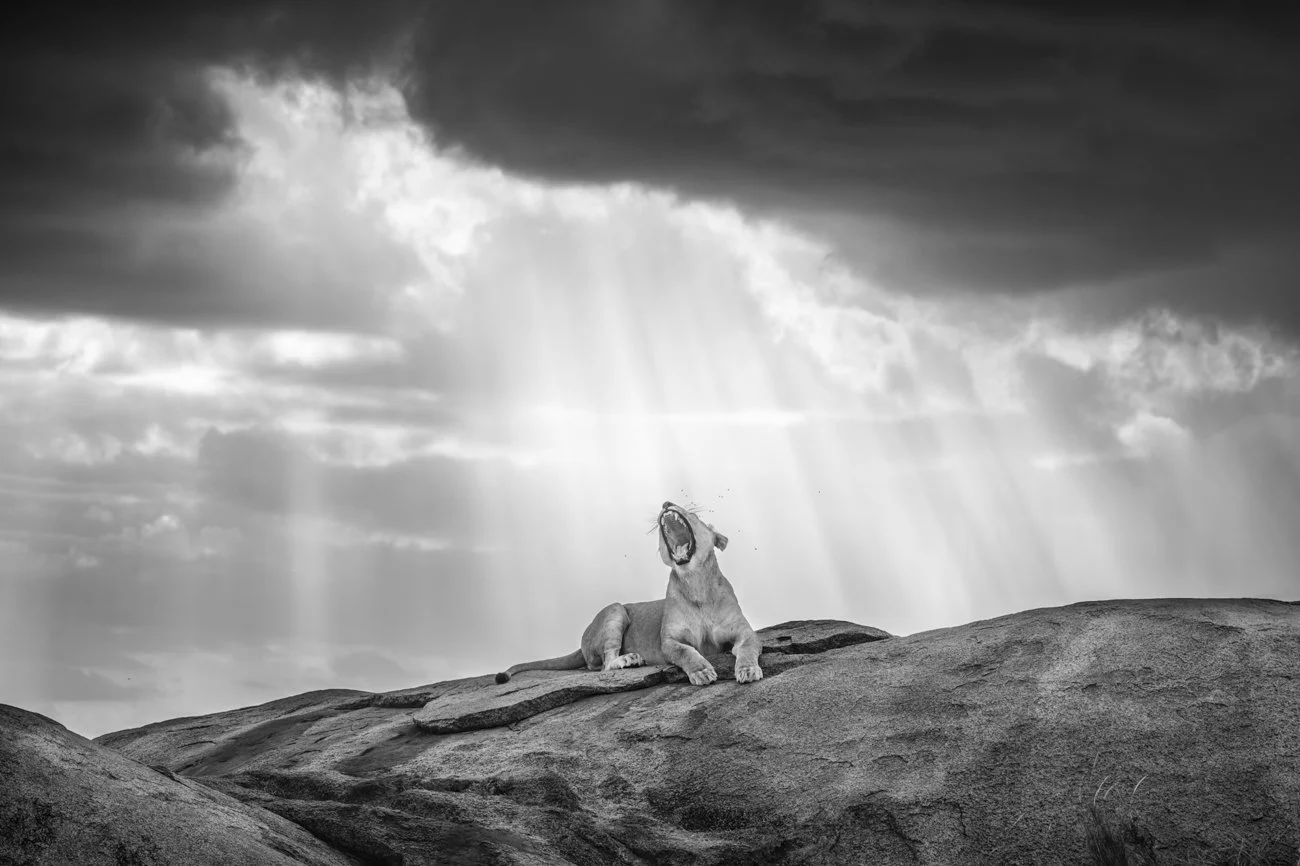
Lions are inseparable from their landscape. In the Serengeti, open plains provide long sightlines and dramatic light, while kopjes offer shade, elevation, and vantage points. In more wooded areas, lions adapt their behavior and visibility accordingly.
Including environmental context adds scale and depth. A pride resting atop a kopje, lions moving through dust at sunset, or a lone male framed by tall grass all place behavior within a broader ecological story.
These images remind viewers that lions are participants in a living system shaped by terrain, prey, and seasons.
Bringing Your Lion Images to Life
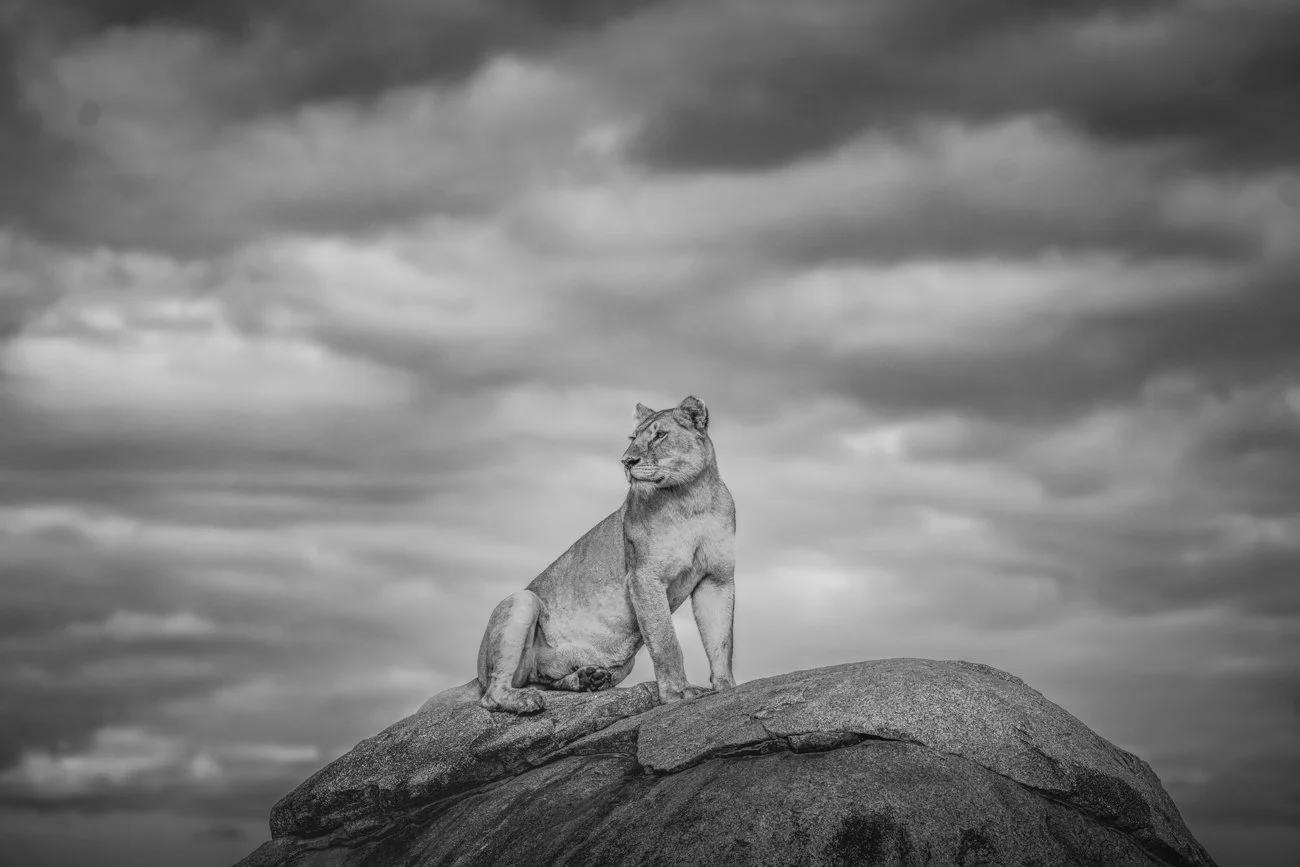
The most compelling lion photographs are about awareness, patience, and intention - knowing when to wait, when to reposition, and when to give space. By understanding lion behavior, you’ll begin to anticipate moments that capture the personality of individual animals and the group. You’ll sense when rest will turn to movement, when play will settle into calm, when light and posture will align.
In the end, photographing lions well is about being mindful the subtle cues that mark the daily lives of the pride, and allowing that understanding to guide your decisions in the field.
To experience these behaviors firsthand and learn how to photograph lions with intention and respect, join me on one of my Serengeti photographic safaris. We’ll spend unhurried time with lions in my favorite setting, focusing on behavior, light, and storytelling to give you a deeper understanding of the animals alongside portfolio-worthy images you’ll create.